Even more individuals than ever are tipping away from standard housing and embracing different ways of living. Amongst the most preferred options for those attracted to a nomadic or off-grid way of life are yurts and bell tents. Both use a romantic separation from the regular, yet they serve really various kinds of mobile living. Before you devote to either, it's worth recognizing exactly how they compare to each other across things that matter many.
What Are Yurts and Bell Tents?
A yurt is a round, semi-permanent structure rooted in the nomadic practices of Central Asia. Modern yurts generally include a lattice wooden structure, a tension band, and a domed or crown roof covering, all covered with a combination of canvas and protecting product. They range from portable 12-foot diameter frameworks to large 30-foot designs that really feel more like a home than a camping tent.
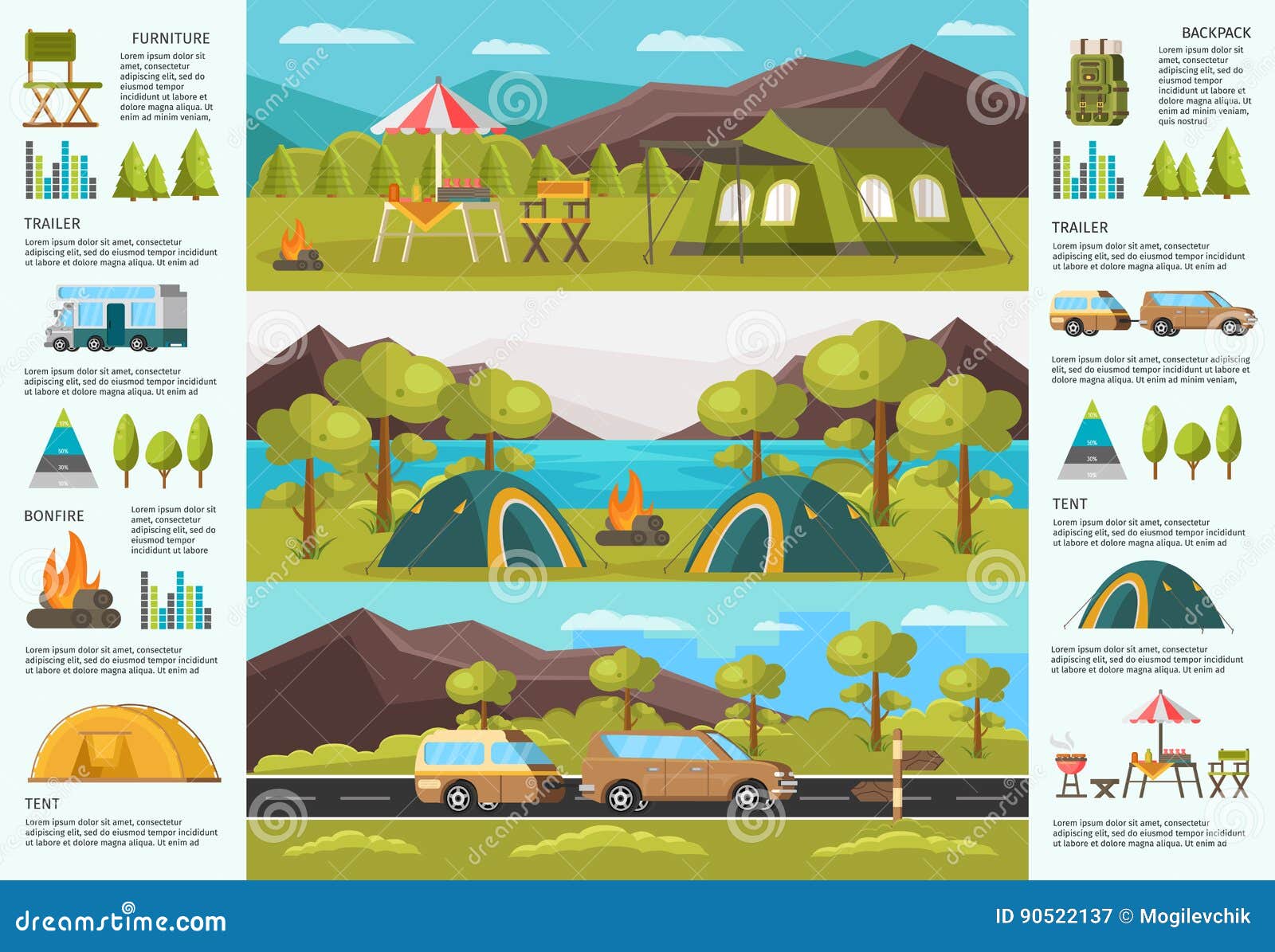
Bell outdoors tents, on the other hand, are less complex material sanctuaries defined by their unique bell-shaped shape and central post. Originally created for military usage in the 19th century, they have actually been reimagined for glamping and nomadic living with contemporary canvas, better waterproofing, and zippered groundsheets. A great bell outdoor tents can be up in under thirty minutes by a bachelor.
Configuration and Portability
Just How Rapidly Can You Obtain Moving?
This is where bell outdoors tents win by a wide margin. A quality bell camping tent loads down into a couple of bags, suits the back of an auto, and can be pitched and struck in less than an hour. For somebody that moves regularly-- weekend to weekend break or period to season-- that type of dexterity is invaluable.
Yurts are a different dedication. Also a tiny yurt involves numerous components: wall areas, rafters, a crown ring, a cover, an internal liner, and commonly a wood platform or flooring system. Configuration normally takes a group of two to four people and anywhere from 4 to twelve hours relying on experience. They aren't impossible to move, however calling them "mobile" needs a generous analysis of words. Most yurt dwellers move a few times a year at most, or pick a solitary piece of land.
Convenience and Livability
Room, Insulation, and All-Weather Efficiency
Yurts are in a course of their very own when it comes to livability. A 20-foot yurt offers approximately 310 square feet of functional round room-- sufficient for a bed, kitchen location, wood stove, and resting location. The latticework wall surfaces and shielded cover retain heat remarkably well, and a correctly set-up yurt can be diy bell tent easily resided in with extreme winter seasons. Numerous yurt residents set up photovoltaic panels, wood-burning ovens, and also composting commodes to attain real off-grid self-sufficiency.
Bell tents can be cosy and surprisingly comfortable, but their breathable canvas walls are not built for extreme cold without serious modification. In mild climates or three-season use, a bell outdoor tents with a quality canvas rating of 280-- 320 gsm will keep you completely dry and comfy. Include a wood stove with a flue set and they end up being practical in amazing weather condition as well. However, in terms of raw insulation and structural integrity against snow load or solid winds, they merely can not match a yurt.
Expense Comparison
Budget plays a major duty in this choice. A suitable bell camping tent-- 5-meter canvas, steel centre pole, sewn-in groundsheet-- usually runs between $500 and $1,500 depending on the brand and gsm ranking. That's an obtainable access factor for most individuals.
Yurts are a dramatically bigger investment. A quality 16-foot yurt from a reputable supplier begins around $5,000 and can climb well above $15,000 for bigger designs with full insulation plans, doors, and windows. Include system building, distribution, and devices, and the overall cost often goes beyond $20,000. That stated, a well-maintained yurt can last years, making the per-year price more reasonable with time.
Which One Is Right for You?
The Situation for a Bell Tent
If you want real movement, low cost, and a lighter impact, a bell camping tent is hard to defeat. It fits weekend break wanderers, festival-goers, seasonal campers, and any individual testing the waters of alternate living before making a bigger commitment.
The Case for a Yurt
If you prepare to plant yourself someplace-- even momentarily-- and want a real home that takes place to be circular and attractive, a yurt provides. It suits individuals choosing land they possess or lease, developing a homestead, or seeking a full time home with warmth, area, and sturdiness.
Both frameworks use something modern real estate can not: a more straight relationship with the land, the periods, and an easier way of living. The ideal option just depends on exactly how far you wish to roam.